
24/08/2026
If you live or work around South Quay, bulky rubbish can turn into a surprisingly fiddly job. A...
Waste Disposal Docklands is committed to conducting its business ethically, responsibly, and in full compliance with all applicable laws relating to modern slavery and human trafficking. This Modern Slavery Statement sets out the steps we take to prevent, identify, and address the risk of modern slavery in our operations and supply chains.
Modern slavery is a crime and a grave violation of fundamental human rights. It includes slavery, servitude, forced or compulsory labour, bonded labour, and human trafficking. Waste Disposal Docklands recognises that the waste management and logistics sectors can be exposed to these risks and we are determined to ensure that exploitation has no place in our business or in those who supply goods and services to us.
We operate a strict zero tolerance policy to modern slavery and human trafficking. This means we will not knowingly engage with or support any organisation or individual involved in such practices. All employees, agency workers, contractors, and suppliers are expected to uphold this commitment and act with integrity and transparency in all business dealings.
Our zero tolerance stance is reflected in our internal policies, supplier onboarding procedures, and contractual requirements. Breach of these standards by any employee may result in disciplinary action, which could include dismissal. Breach by a supplier, contractor, or other third party may result in immediate termination of the relationship and, where appropriate, reporting to the relevant authorities.
We understand that the greatest risk of modern slavery often lies within extended supply chains. Waste Disposal Docklands undertakes due diligence measures when selecting and reviewing suppliers, with particular focus on high risk categories such as manual labour, temporary staffing, transport, and overseas sourcing.
Our supplier due diligence process includes risk based assessments, requiring confirmation of compliance with modern slavery legislation, and evaluation of labour practices where relevant. We aim to work with suppliers who share our values and demonstrate clear commitments to ethical labour standards.
Where risk indicators are identified, we may conduct additional checks, request documentation relating to workforce conditions and recruitment practices, or carry out on site or remote audits. These audits are used to verify that appropriate policies, training, and controls are in place and that workers have safe and fair conditions. Findings from these activities are documented and may lead to corrective action plans, closer monitoring, or the ending of contracts where serious concerns persist.
Responsibility for overseeing our approach to modern slavery sits with senior management, who ensure that appropriate resources and governance are in place. Managers involved in procurement, contract management, and people management receive guidance on recognising indicators of exploitation and on escalating concerns.
We continue to develop training and awareness activities so that our employees understand what modern slavery is, how it can manifest in the waste disposal sector, and what steps they must take if they suspect abuse. Everyone working for or with Waste Disposal Docklands is expected to contribute to a culture where exploitation is actively challenged.
Waste Disposal Docklands encourages all employees, workers, suppliers, and other stakeholders to report concerns about modern slavery or unethical labour practices at the earliest opportunity. Concerns can be raised through line managers, the Human Resources team, or senior management, either openly or confidentially.
We support a clear whistleblowing approach that protects those who report genuine concerns from victimisation or retaliation. All reports are taken seriously and will be investigated promptly and fairly. Where appropriate, we will cooperate fully with law enforcement and relevant agencies and take robust action to protect individuals at risk.
We recognise that tackling modern slavery is an ongoing responsibility requiring continual vigilance and improvement. Waste Disposal Docklands is committed to reviewing this Modern Slavery Statement and our associated procedures at least once every year, and more frequently if there are significant changes in legislation, our operations, or identified risks.
Our annual review will consider the effectiveness of our controls, audit findings, reported concerns, and feedback from stakeholders. Where improvements are identified, we will update our policies, training, and supplier management processes accordingly. By doing so, Waste Disposal Docklands aims to strengthen its defences against modern slavery and contribute to higher ethical standards across the waste management industry.
This statement has been approved by the leadership of Waste Disposal Docklands and reflects our ongoing commitment to preventing modern slavery and human trafficking throughout our business and supply chains.

GET A FREE QUOTE
Too sick to move junk? Our team is here to help you out!
Calling our waste disposal Docklands company can save you a lot of money because the services we offer are some of the cheapest around!
 Tipper Van - Rubbish Removal and House Clearance Prices in Docklands, SE16
| Space іn the van | Loadіng Time | Cubіc Yardѕ | Max Weight | Equivalent to: | Prіce* |
| Minimum Load | 10 min | 1.5 | 100-150 kg | 8 bin bags | £90 |
| 1/4 Load | 20 min | 3.5 | 200-250 kg | 20 bin bags | £160 |
| 1/2 Load | 40 min | 7 | 500-600kg | 40 bin bags | £250 |
| 3/4 Load | 50 min | 10 | 700-800 kg | 60 bin bags | £330 |
| Full Load | 60 min | 14 | 900-1100kg | 80 bin bags | £490 |
*Our rubbish removal prіces are baѕed on the VOLUME and the WEІGHT of the waste for collection.
 Luton Van - Rubbish Removal and House Clearance Prices in Docklands, SE16
| Space іn the van | Loadіng Time | Cubіc Yardѕ | Max Weight | Equivalent to: | Prіce* |
| Minimum Load | 10 min | 1.5 | 100-150 kg | 8 bin bags | £90 |
| 1/4 Load | 40 min | 7 | 400-500 kg | 40 bin bags | £250 |
| 1/2 Load | 60 min | 12 | 900-1000kg | 80 bin bags | £370 |
| 3/4 Load | 90 min | 18 | 1400-1500 kg | 100 bin bags | £550 |
| Full Load | 120 min | 24 | 1800 - 2000kg | 120 bin bags | £670 |
*Our rubbish removal prіces are baѕed on the VOLUME and the WEІGHT of the waste for collection.
If you live or work around South Quay, bulky rubbish can turn into a surprisingly fiddly job. A...

If you run a shop, cafe, salon, office, kiosk, or small trade business on the Isle of Dogs,...
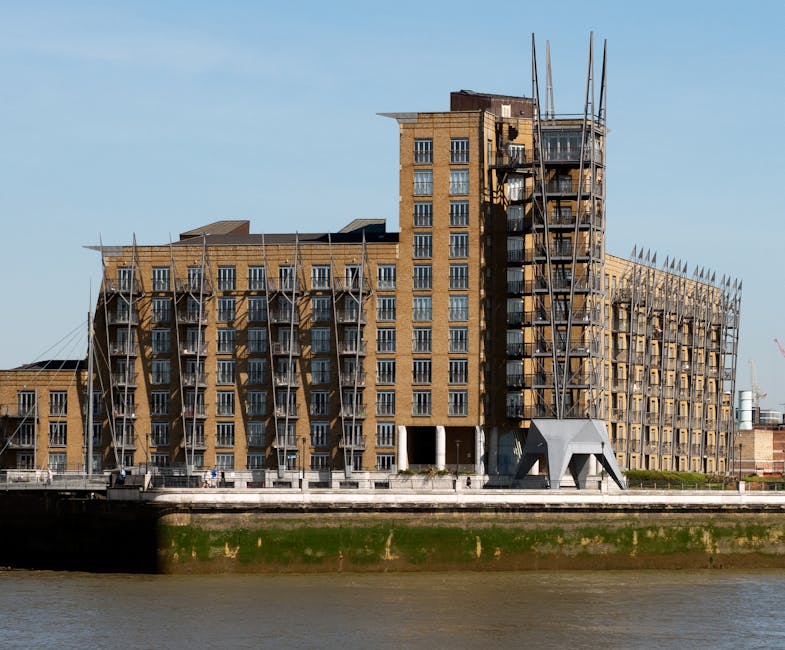
If you live, manage, or let property around West India Quay, waste is never just "rubbish in a bin.

If you need rubbish gone today in E14, the main challenge is not just speed. It is getting a...

If you have ever booked waste removal in a busy part of London and then felt that awkward little...

Nestled along the River Thames, Docklands is a vibrant and rapidly developing area in London.

Docklands, Melbourne's buzzing waterfront precinct, is famed for its vibrant nightlife and array...

Docklands, a vibrant district in the heart of the Melbourne Docklands, has been making waves as a...

As one of the fastest-growing and most dynamic areas in many major cities, Docklands represents a...

Purchasing real estate is one of the most significant financial decisions one can make.

 (78)
(78)